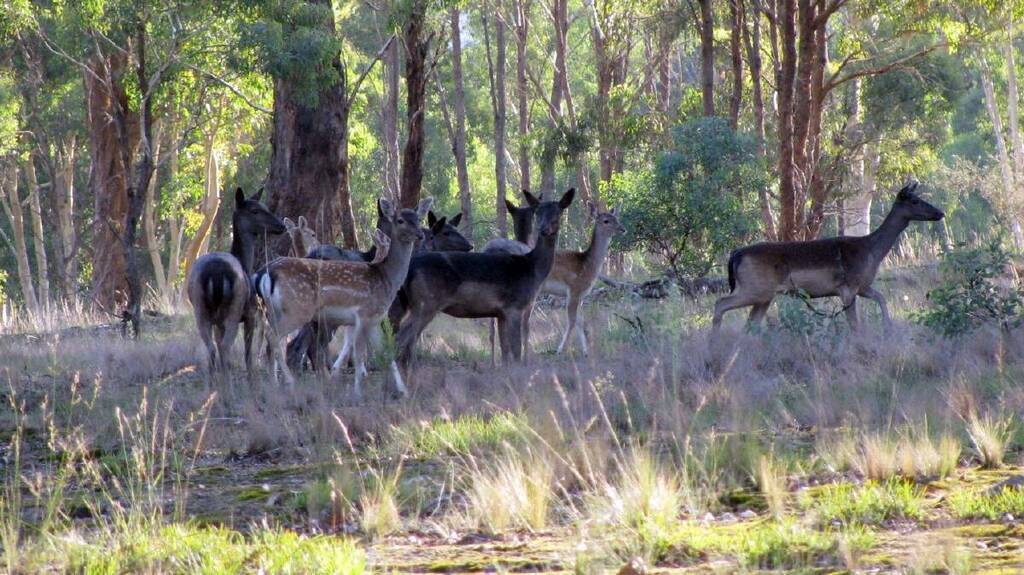
Deer management program for rural landholders near Wellington NSW

Feral Deer Control & Professional Deer Management Across NSW

Feral deer are an increasing and significant invasive species across New South Wales, causing substantial damage to agricultural land, native ecosystems and rural infrastructure. Species such as fallow, red, rusa and sambar deer can heavily impact pastures, crops and fencing, while browsing and trampling native vegetation, waterways and sensitive habitats. Their expanding populations and wide roaming behaviour make feral deer a growing bio-security and environmental management challenge for landholders.


Under the NSW Bio-security Act, landholders have a general bio-security duty to prevent, eliminate or minimise the risks posed by pest animals on their property. Where deer are declared pest animals in certain land tenures or regions, proactive management is essential to limit impacts on neighbouring land, livestock production and biodiversity.

Request a species-specific plan

 Signs of Deer activity


1. Scats (Droppings)

  • Deer scats are small, rounded or oval pellets approximately 1 cm in size. They are usually found in loose clumps that break apart on impact. While often confused with goat or sheep droppings, goat pellets are more pointed and sheep pellets are more cylindrical—making deer scats a reliable indicator of feral deer presence.

2. Tracks (Hoof Prints)

 Deer tracks are larger than goat, sheep, or pig prints and have distinct features:


  • Two elongated toes
  • A visible gap between the toes
  • Dew‑claw impressions in soft soil
  • A typical heart‑shaped outline

    These hoof prints are one of the most accurate signs of deer movement on a property.

3. Tree Rubs (Ringbarking)

Stags create rubs by scraping their antlers along trees and shrubs. Key indicators include:


  • Stripped bark and gouges exposing pale sapwood
  • Twisted or broken stems
  • Mud smeared on trunks from wallowing stags

Fresh rubs appear light in colour, while older rubs darken to grey or brown.  


4. Browsing Damage

Deer browse heavily on native vegetation, crops, and shrubs. Look for:

  • Hedged or repeatedly grazed shrubs
  • Browse lines at 1.5–2 m high—well above sheep or goat reach
  • Torn, crushed, or ragged branches (deer tear vegetation due to lacking upper incisors)


This type of feeding damage is a strong indicator of ongoing deer activity.


5. Wallows

Deer create wallows in wet or swampy areas. Active wallows show:


  • Muddy depressions filled with water
  • Fresh tracks
  • Scrape marks from legs or antlers


Even old wallows remain identifiable by their shape and location in drainage lines or seepage zones.


6. Scrapes & Ground Disturbance

  • During the rut, deer scrape the ground to mark territory. Signs include:
  • Bare soil patches
  • Paw marks
  • Scent‑marked areas near trails or rub trees


These scrapes are commonly found along movement corridors.  


7. Grazing & Crop Damage

  • Feral deer cause significant agricultural damage. Typical signs include:
  • Stripped bark on young trees
  • Cropped pasture and chewed regrowth
  • Trampled crops and flattened vegetation


NSW Government identifies grazing damage as a key indicator of feral deer presence on rural properties.


8. Bedding Areas

Deer create bedding sites in sheltered locations. These appear as:


  • Oval or circular flattened patches in grass
  • Depressions in dense cover such as blackberry thickets or forest edges


Multiple bedding sites often indicate a resident herd. 


Seeing increasing deer activity on your property?  Book a property assessment and get a tailored management plan in place before numbers escalate.

Strategic and Compliant Feral Deer Management in NSW

Effective feral deer control requires planned, lawful and targeted strategies. Deer are highly mobile, intelligent animals with strong flight responses, meaning poorly planned or ad‑hoc control efforts can increase dispersal and long‑term management challenges. Professional control programs use species‑specific knowledge and coordinated methods to achieve meaningful population reduction.


Licensed feral pest control operators in NSW may employ a combination of approved control methods, including:


  • Thermal‑assisted and night operations to identify deer movement patterns and target animals during high‑activity periods
  • GPS mapping and property surveillance to track activity corridors, feeding areas and pressure points
  • Targeted shooting operations, undertaken lawfully and humanely by licensed operators
  • Planned access and safety management, ensuring operations meet legislative and animal welfare requirements
  • Coordinated landholder and boundary engagement to improve outcomes across larger areas


All control activities are conducted with a strong focus on compliance, safety, and animal welfare, and in accordance with NSW regulations and landholder permissions
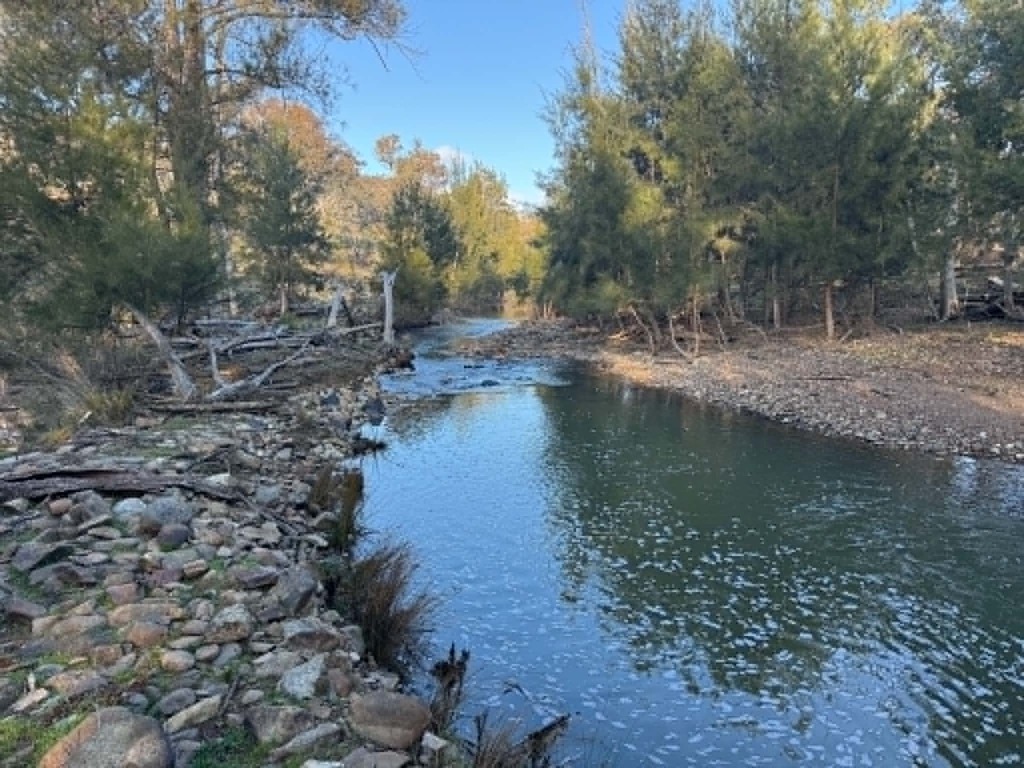
Feral deer population control on grazing land in NSW

Key Benefits of Professional Feral Deer Management

Professional feral deer management can assist landholders to:


  • Protect pastures, crops and grazing systems
  • Reduce damage to fencing, water infrastructure and access tracks
  • Minimize environmental degradation and soil erosion
  • Safeguard native vegetation, waterways and biodiversity
  • Reduce vehicle collision risks on rural properties
  • Strengthen long‑term property biosecurity and land condition

View Sample Report

Our Professional Deer Control Methods

Across New South Wales, successful feral deer control is best achieved through tailored, property‑specific management programs. Each property presents unique challenges depending on terrain, deer density, seasonal movement and surrounding land use.


By selecting the right combination of control techniques and coordinating efforts where possible, landholders can achieve more sustainable, long‑term reductions in feral deer pressure while meeting their biosecurity responsibilities

Ready to Protect Your Property? Get in Touch

Discuss pricing and tailored pest management programs. Click here for pricing

related services

reduce pest pressure - book your assessment

Service & Contract Enquiries
Complete the form below to request a quote or discuss service requirements with Davrac Rural Pest Services.
{ "Skip to main content Skip to main content